
Hanken Professor Ari Hyytinen on Nobel Laureate Philippe Aghion: “He is a committed, driven, and always positive research partner”
Together with Otto Toivanen, Aalto University, and Ufuk Akcigit, University of Chicago, Hyytinen and Aghion have studied what kinds of individuals become inventors, how inventiveness benefits the inventors themselves, other employees, and company owners, and how parents’ level of education can affect the likelihood that their children become inventors.
“In my part of the research, I combined Finnish data from Statistics Finland’s individual and company registers with patent applications and intelligence test results from the Finnish Defence Forces. By linking patent data with individual-level data, we were able to identify inventors and draw conclusions about the traits that characterise innovative individuals,” Hyytinen explains.
The research team found that when parents have a (university-level) education, the likelihood that their children become inventors increases. This result is based on improved access to higher education following the establishment of new universities in Finland during the 1960s and 1970s. The research article "Parental Education and Invention: The Finnish Enigma", was published in International Economic Review in 2023.
The theoretical framework for which Philippe Aghion was awarded the Nobel Prize was developed together with Peter Howitt at Brown University, USA. They formulated the innovation-based growth theory, in which corporate innovation and the resulting “creative destruction” are seen as the central catalyst behind economic growth. Hyytinen thinks the prize went to a very deserving recipient.
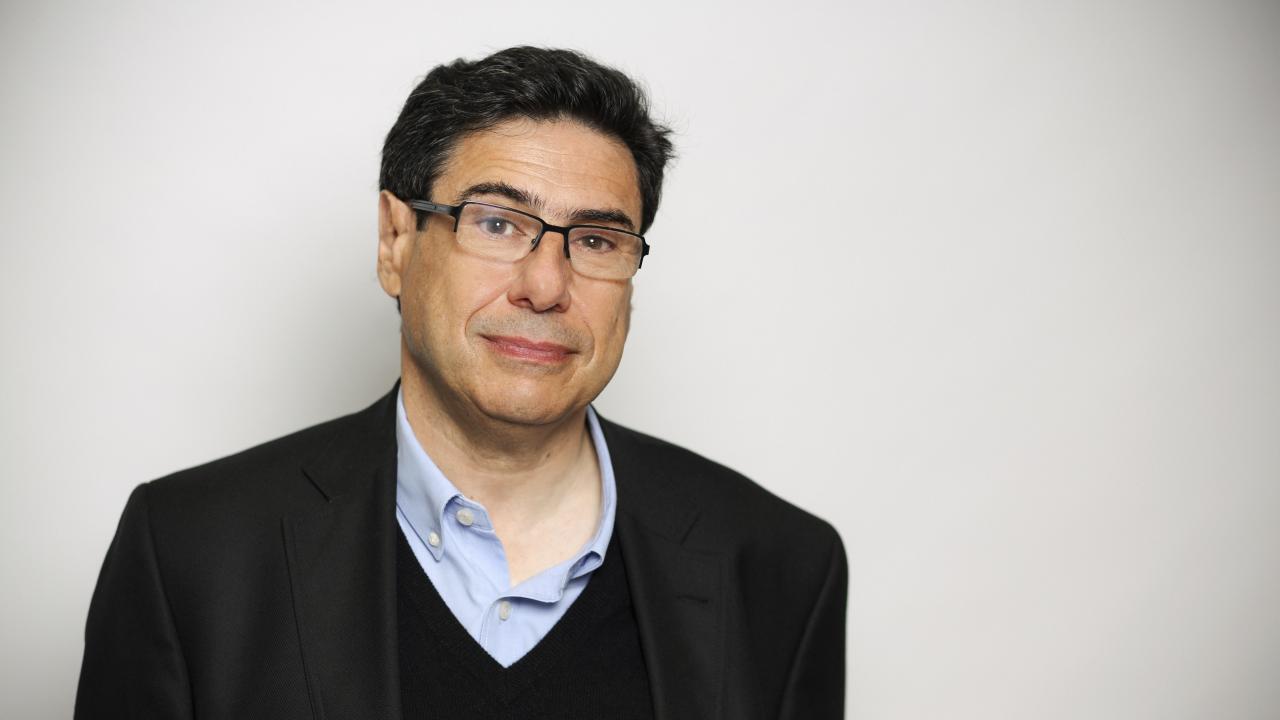
“Aghion is a committed, driven, and consistently positive research partner. He has an tireless interest in delving into research questions and listens attentively to the perspectives of his colleagues. Moreover, he is an exceptionally versatile and productive researcher who has studied far more than just economic growth,” Hyytinen concludes.
Text: Marlene Günsberg
Photo: Hanken Archive, Collège du France