

VITA: Value, Innovation, Transformation & Agency for Resilient Futures

VITA (Value, Innovation, Transformation & Agency for Resilient Futures) is an interdisciplinary research programme that examines how individuals, organizations, and service systems respond to demographic and societal change. The programme focuses on the role of value creation, innovation, transformation, and agency in supporting healthier ageing, individual wellbeing, and resilient communities. Through collaboration with Federfarma Veneto, community pharmacies, and academic partners, VITA generates knowledge on how healthcare services and related organizations can evolve to address changing societal needs and contribute to more resilient futures.
The programme brings together researchers from the University of Verona and international academic partners in collaboration with Federfarma Veneto, community pharmacies, and regional stakeholders. Through collaborative research, empirical studies, surveys, workshops, and knowledge exchange activities, VITA examines how pharmacies and other health-related service organizations can respond to demographic change, evolving health needs, and technological developments. By generating new insights into the changing role of pharmacies within healthcare and service systems, the programme contributes to more responsive, accessible, and sustainable approaches to supporting health, wellbeing, and resilient communities.
Project Information
- Duration: February 2025 - December 2028
- Research partners: University of Verona, international academic collaborators, Federfarma Veneto, community pharmacies, and regional stakeholder organizations
- Programme contributions: Research expertise, practitioner knowledge, access to empirical settings, stakeholder engagement, and knowledge exchange activities provided by participating academic and practice partners.
More Information
Principal Investigator, Professor Kristina Heinonen
Research team
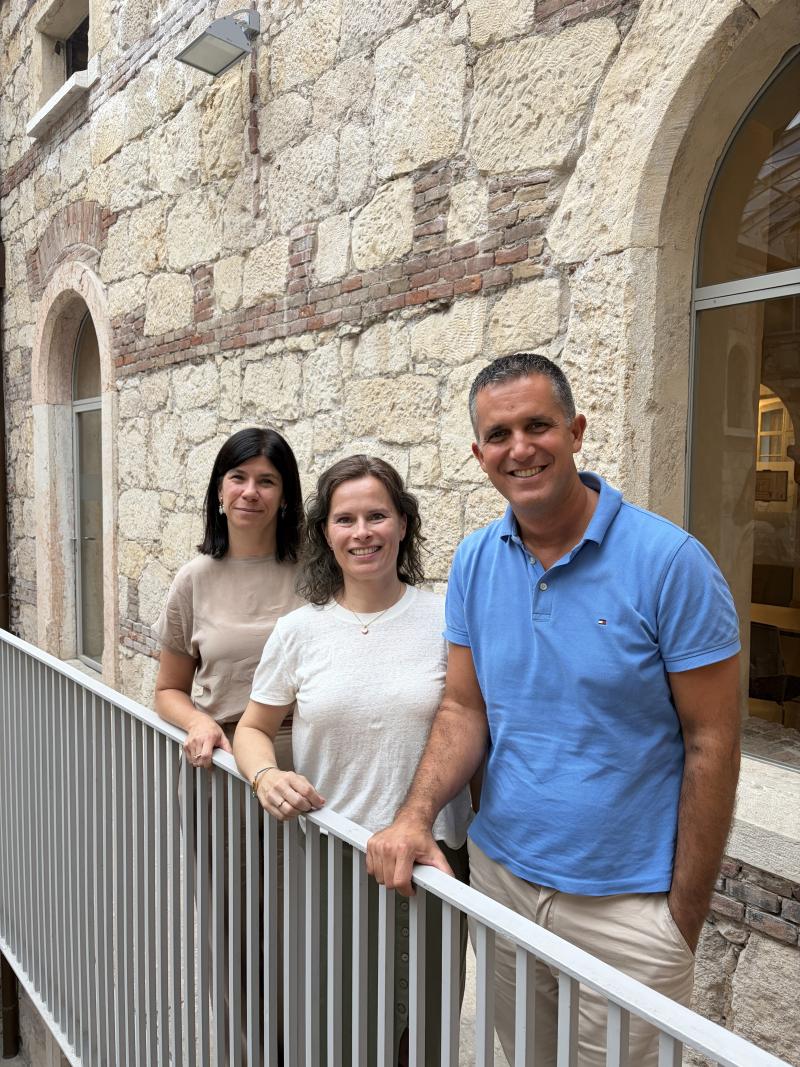
Associate professor Vania Vigolo, University of Verona, Professor Kristina Heinonen, Hanken School of Economics, and Associate professor Nicola Cobelli, University of Verona